

Katup bal utamane berfungsi minangka piranti on/off. Desaine mbatesi kemampuane kanggo nyedhiyakake kontrol aliran sing tepat. Watesan iki bisa mengaruhi efektifitase ing aplikasi proteksi geni tartamtu. Iki sawetara poin penting babaganfire protection valvessaka katup bal:Fungsi Nyala/MatiKatup bal iku unggul banget ing mateni utawa ngidini aliran cairan kanthi cepet. Nanging, katup kasebut ora bisa digunakake kanthi apik nalika operator kudu nyetel laju aliran kanthi bertahap.Masalah PembatasanNalika dibukak sebagian, katup bal bisa nyebabake turbulensi. Turbulensi iki bisa nyebabake penurunan tekanan lan laju aliran sing ora konsisten. Prilaku kaya ngono bisa ngalangi kinerja sistem pemadam kebakaran.Regulasi AliranKatup bal ora cocok kanggo aplikasi sing mbutuhake pengaturan aliran alus. Desaine ora ngidini penyesuaian bertahap. Watesan iki bisa dadi masalah ing skenario sing penting banget kanggo pangiriman banyu sing tepat.TipKanggo aplikasi sing mbutuhake modulasi aliran, coba gunakake katup gerbang utawa jinis katup liyane sing dirancang kanggo throttling.
Tabel ing ngisor iki ngringkes kemampuan kontrol aliran katup bal dibandhingake karo katup gerbang:
- Tipe Katup
- Kemampuan Kontrol Aliran
- Kasus Panggunaan Ideal
- Katup BalDiwatesi
- Layanan urip/matiKatup Gerbang
Sedheng
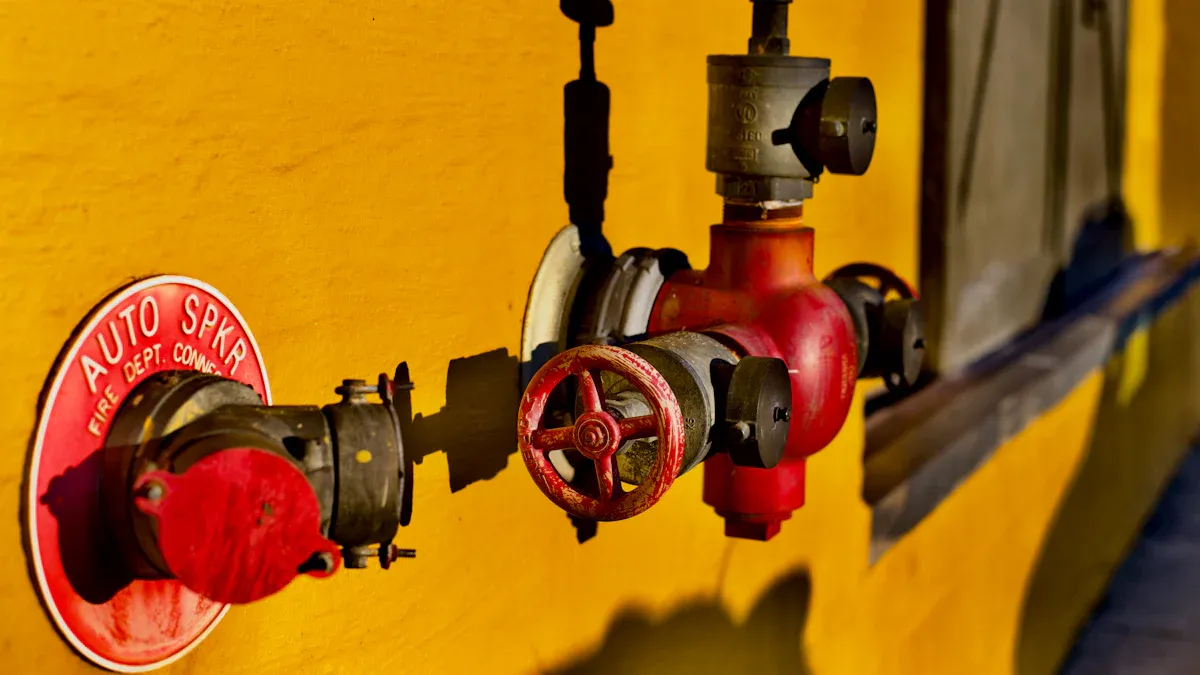
Throttling lan regulasi aliranAplikasi ing Sistem Pemadam KebakaranKatup proteksi geni nduweni peran penting ing macem-macem aplikasi ing sistem proteksi geni. Pilihane gumantung saka syarat operasional tartamtu lan sifat strategi proteksi geni. Ing ngisor iki sawetara aplikasi utama kanggo katup gerbang lan katup bal ing sistem geni:
| 1. Sistem Penyiram Kebakaran | Ball Valves | Gate Valves |
|---|---|---|
| Sistem pipa tegak, sing umum ditemokake ing bangunan komersial, gumantung marang katup proteksi geni kanggo njamin pasokan banyu sing cukup kanggo upaya pemadaman kebakaran. Katup gerbang asring digunakake kanggo ngisolasi bagean sistem, dene katup bal nggampangake operasi cepet kanggo akses banyu langsung. | 3. Sistem Hidran Kebakaran | Sistem hidran kebakaran mbutuhake katup sing bisa dipercaya lan efisien kanggo njamin petugas pemadam kebakaran bisa ngakses banyu kanthi cepet. Katup gerbang biasane dipasang ing jalur pasokan utama kanggo ngontrol aliran banyu menyang hidran. Katup bal uga bisa digunakake kanggo mateni kanthi cepet ing kahanan darurat. |
| 4. Sistem Banjir lan Pra-Aksi | Ing sistem pemadaman kebakaran banjir lan pra-aksi, katup proteksi kebakaran nduweni peran penting kanggo ngontrol aliran banyu menyang endhas sprinkler. Katup gerbang bisa ngisolasi bagean-bagean sistem kanggo perawatan, dene katup bal ngidini aktivasi aliran banyu kanthi cepet nalika dibutuhake. | 5. Aplikasi Industri |
| Flow Regulation | 6. Proteksi Kebakaran Perumahan | Sistem proteksi kebakaran ing omah uga entuk manfaat saka panggunaan katup proteksi kebakaran. Katup gerbang nyedhiyakake kemampuan mati sing bisa dipercaya, dene katup bal njamin akses cepet menyang pasokan banyu kanggo upaya pemadaman kebakaran. |
| Durability | Nalika milih katup kanggo sistem proteksi kebakaran, pikirake aplikasi lan syarat operasional tartamtu. Saben jinis katup nawakake kaluwihan unik sing bisa ningkatake kinerja sistem. | Skenario sing Cocok kanggo Katup Gerbang |
| Katup gerbang utamane efektif ing macem-macem skenario ing sistem proteksi kebakaran. Desain lan fungsine ndadekake cocok kanggo aplikasi tartamtu ing ngendi | kontrol aliran sing bisa dipercaya | iku penting banget. Ing ngisor iki sawetara kahanan sing ideal kanggo nggunakake katup gerbang: |
Isolasi Pasokan Banyu Utama
Katup gerbang berfungsi minangka mekanisme mati utama kanggo pasokan banyu utama ing sistem proteksi kebakaran. Katup iki ngidini penutupan lengkap sajrone pangopènan utawa kahanan darurat, njamin sistem tetep aman lan operasional.Aplikasi Tekanan TinggiIng lingkungan sing tekanan dhuwur dadi perhatian, katup gerbang unggul. Konstruksi sing kuwat bisa tahan tekanan sing signifikan tanpa ngorbanake kinerja. Daya tahan iki ndadekake cocog kanggo setelan industri.
Pipa Diameter Gedhe
Katup gerbang asring digunakake ing pipa diameter gedhe ing ngendi kontrol aliran dibutuhake. Desaine nyuda watesan aliran, saengga bisa ngirim banyu kanthi efisien nalika darurat.
Sistem Hidran Kebakaran
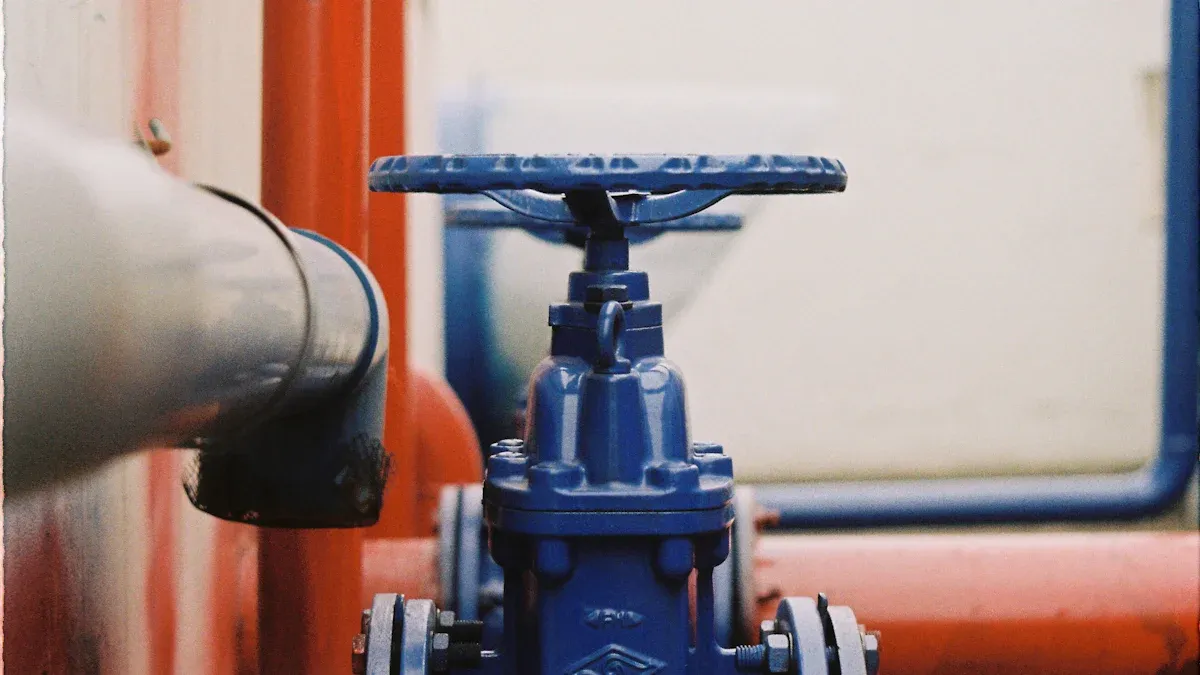
Katup gerbang umume dipasang ing sistem hidran kebakaran. Katup iki nyedhiyakake isolasi pasokan banyu sing bisa dipercaya, saengga petugas pemadam kebakaran bisa ngakses banyu kanthi cepet nalika dibutuhake.Apa katup gerbang cocok kanggo aplikasi throttling?Ing sistem pipa tegak, katup gerbang ngidini isolasi bagean tartamtu. Kapabilitas iki penting banget kanggo pangopènan lan njamin manawa bagean liya saka sistem tetep beroperasi.
- Ball ValvesNalika milih katup gerbang kanggo sistem proteksi kebakaran, pikirake aplikasi lan syarat operasional tartamtu. Kemampuane kanggo nyedhiyakake pemadaman sing bisa dipercaya lan tahan tekanan dhuwur ndadekake komponen kasebut penting ing macem-macem skenario.
- Gate ValvesKatup bal iku efektif banget ing macem-macem skenario ing sistem proteksi geni. Desain lan efisiensi operasional ndadekake cocok kanggo aplikasi tartamtu ing ngendi respon cepet lan linuwih penting. Ing ngisor iki sawetara kahanan sing ideal kanggo nggunakake katup bal:
Pemadaman Darurat
Katup bal unggul banget ing kahanan sing mbutuhake mati cepet. Operasi seperempat puterane ngidini nutup langsung, sing penting banget nalika darurat kebakaran. Petugas pemadam kebakaran bisa kanthi cepet ngakses pasokan banyu, njamin respon sing cepet.
Sistem Tekanan TinggiApa katup gerbang cocok kanggo aplikasi throttling?Jalur Pasokan Banyu
Gate Valves
- kanggo sistem proteksi kebakaran, gatekna operasine sing cepet lan penurunan tekanan sing endhek. Fitur-fitur iki ningkatake kinerja lan keandalan sistem sakabèhé.Ing sistem sprinkler geni, katup bal nggampangake aktivasi kanthi cepet. Katup iki ngidini banyu langsung mili menyang endhas sprinkler, sing nambah efektifitas upaya pemadaman geni.
- Sistem BanjirKatup bal nduweni peran penting ing sistem banjir, ing ngendi pelepasan banyu kanthi cepet dibutuhake. Desaine ngidini operasi kanthi cepet, njamin banyu tekan area sing dituju tanpa wektu tundha.
- Respon cepet nalika kebakaran: Nalika
Ball Valves
- kanggo sistem proteksi kebakaran, gatekna operasine sing cepet lan penurunan tekanan sing endhek. Fitur-fitur iki ningkatake kinerja lan keandalan sistem sakabèhé.Jinis Aplikasi
- Keuntungan UtamaPemadaman Darurat
- Respon cepet nalika kebakaranSistem Tekanan TinggiNjaga integritas ing sangisore tekananJalur Pasokan Banyu
TipSistem Sprinkler
Aktifasi aliran banyu langsung
Sistem Banjir
- Pelepasan banyu cepet kanggo nyudaEfektivitas Sakabèhé ing Sistem Pemadam Kebakaran
- Efektivitas sakakatup proteksi kebakaran
- nduweni pengaruh sing signifikan marang kinerja sistem keamanan kebakaran. Katup gerbang lan katup bal nduweni peran penting kanggo njamin aliran banyu sing bisa diandalkan sajrone kahanan darurat. Karakteristik unik saka katup kasebut nyumbang kanggo efisiensi sakabèhé saka upaya pemadaman kebakaran.Katup gerbang unggul ing aplikasi sing mbutuhake pemadaman aliran lengkap. Katup gerbang nyedhiyakake sarana sing bisa dipercaya kanggo ngisolasi bagean saka sistem proteksi geni. Kapabilitas iki penting sajrone pangopènan utawa kahanan darurat. Katup gerbang ngidini kapasitas aliran sing dhuwur, njamin banyu tekan area kritis nalika dibutuhake. Konstruksi sing kuwat tahan tekanan dhuwur, saengga cocog kanggo macem-macem lingkungan.
- Ing sisih liya, katup bal nawakake operasi sing cepet lan penurunan tekanan sing sithik. Mekanisme seperempat puterane ngidini akses cepet menyang pasokan banyu, sing penting banget nalika kedadeyan kebakaran. Petugas pemadam kebakaran bisa kanthi cepet ngaktifake katup bal, njamin langsungaliran banyu
- Respon cepet iki bisa nggawe prabédan sing signifikan kanggo ngontrol geni kanthi efektif. Kajaba iku, katup bal njaga segel anti bocor, nyegah ilang banyu lan nambah keandalan sistem.Kinerja ing Darurat
Ing kahanan darurat, kinerja katup proteksi geni dadi penting banget. Katup gerbang lan katup bal nduweni peran sing beda kanggo njamin upaya pemadaman geni sing efektif. Katup kasebut
karakteristik operasionalbisa mengaruhi asil kegiatan pemadaman kebakaran kanthi signifikan.Katup Gerbang
| Valve Type | Katup Bal | Kosok baline, katup bal nawakake operasi sing cepet. Mekanisme seperempat puterane ngidini akses langsung menyang pasokan banyu. Aktivasi cepet iki penting nalika kedadeyan kebakaran, ing ngendi wektu penting banget. Petugas pemadam kebakaran bisa kanthi cepet ngaktifake katup bal, njamin banyu mili menyang area sing dibutuhake tanpa wektu tundha. Kajaba iku, katup bal njaga penurunan tekanan sing sithik, sing mbantu njaga tekanan banyu ing saindenging sistem. |
|---|---|---|
| Gate Valve | Bisa dipercaya kanggo mati total nanging luwih alon dioperasikake. | Bisa dipercaya kanggo mati total nanging luwih alon dioperasikake. |
| Ball Valve | Keandalan Jangka Panjang Katup Proteksi Geni | Keandalan Jangka Panjang Katup Proteksi Geni |
Keandalan jangka panjang iku penting banget kanggo katup proteksi kebakaran, amarga komponen kasebut nduweni peran penting kanggo njamin keamanan sajrone kahanan darurat. Katup gerbang lan bal nduweni karakteristik unik sing mengaruhi keandalane sajrone wektu tartamtu.
- Katup Gerbang
- Kekuwatan
- Katup gerbang asring digawe saka bahan sing kuwat, kayata baja tahan karat utawa kuningan. Bahan-bahan kasebut ningkatake kemampuane kanggo tahan tekanan lan suhu sing dhuwur, saengga bisa awet.
- Syarat Pangopènan
- Pangopènan rutin iku penting banget kanggo katup gerbang. Operator kudu mriksa segel lan komponen internal kanggo nyegah bocor. Nglirwakake pangopènan bisa nyebabake keandalan sing mudhun lan potensi kegagalan sajrone wektu kritis.
- Katup Bal
- Kebutuhan Pangopènan sing Rendah
- Katup bal biasane mbutuhake perawatan sing luwih sithik tinimbang katup gerbang. Desaine nyuda kerusakan lan sobekan, saengga bisa berfungsi kanthi efektif sajrone wektu sing suwe.
- Tahan Korosi
- Katup bal akèh migunakaké bahan tahan korosi. Fitur iki nambah keandalané, mliginé ing lingkungan sing kena bahan kimia sing atos utawa kahanan ekstrem.
- Tip
Kanggo ngoptimalake keandalan jangka panjang katup proteksi kebakaran, organisasi kudu ngetrapake jadwal inspeksi rutin. Pamriksaan rutin bisa ngenali masalah potensial sadurunge saya parah, njamin katup tetep beroperasi nalika dibutuhake.Katup gerbang lan katup bal nduweni kaluwihan lan kekurangan sing béda ing sistem proteksi kebakaran.Katup gerbang
unggul ing nyedhiyakake kemampuan mateni sing bisa dipercaya lan kapasitas aliran sing dhuwur.
Katup bal
- unggul amarga operasine sing cepet lan penurunan tekanan sing endhek.Pungkasanipun, pilihan antarane katup-katup iki gumantung marang kabutuhan sistem geni lan syarat operasional tartamtu.Tip: Nilai panjaluk unik saben aplikasi kanggo nemtokake sing paling cocog
- jinis katup sing cocogkanggo kinerja sing optimal.Pitakonan sing Sering DitakoniApa bedane utama antarane katup gerbang lan katup bal?
Katup gerbang nyedhiyakake kontrol on/off sing bisa dipercaya, dene katup bal nawakake operasi sing luwih cepet kanthi penurunan tekanan minimal. Iki ndadekake katup bal luwih cocog kanggo kahanan darurat.Apa katup gerbang cocok kanggo aplikasi throttling?Katup gerbang bisa digunakake kanggo throttling, nanging ora ideal kanggo tujuan iki. Desaine utamane kanggo nutup aliran kanthi lengkap.
| Sepira kerepe katup proteksi kebakaran kudu dirawat? | Pangopènan rutin iku penting kanggo katup gerbang lan katup bal. Teknisi kudu mriksa paling ora setaun sepisan kanggo mesthekake fungsine bener lan nyegah bocor. |
|---|---|
| Apa katup bal bisa nangani cairan reged? | Katup bal bisa ngadhepi masalah karo cairan sing ngandhut padatan utawa lebu. Kontaminan bisa nyegah panyegelan sing bener, sing nyebabake potensi kebocoran ing sistem proteksi kebakaran. |
| Faktor apa sing mengaruhi pilihan antarane katup gerbang lan katup bal? | Pilihan kasebut gumantung saka kabutuhan aplikasi tartamtu, kayata wektu respon sing dibutuhake, kontrol aliran, lan kahanan tekanan. Evaluasi faktor-faktor kasebut kanggo nemtokake jinis katup sing paling apik. |
| Wektu kiriman: 20-Mar-2026 | Kontak |
Dolan maring KitaPeralatan Pemadam Kebakaran Donya ZheJiang CO.,LTD.Hubungi Kami
13685872522
13968219316
- Email KitaKirim Pitakon
- KoreaKirim Email
- WhatsappPencet enter kanggo nggoleki utawa ESC kanggo nutup
- Basa InggrisPrancis
- JermanPortugis
Spanyol
| Rusia | Kazakh |
|---|---|
| Korea | Basa Arab |
| Irlandia | Yunani |
| Turki | Italia |
basa Denmark
Wong Rumania
Basa IndonesiaCekoWong Afrika
- SwediaPolandia
- Basa BasqueBasa Katalan
Esperanto
Hindi
LaoBasa AlbaniaBasa Amharik
- ArmeniaBasa Azerbaijan
- Basa BelarusiaBasa Bengali
- Basa BosniaBasa Bulgaria
Basa Cebuano
- Chichewa
- Korsika
- Kroasia
- Walanda
Basa EstoniaWong Filipina
| Valve Type | Basa Frisia | Galicia |
|---|---|---|
| Ball Valve | Ibrani | Wong Hawaii |
| Gate Valve | Wong Hawaii | Ibrani |
Wong Hmong
Wong Hongaria
IslandiaIgboWong Jawa
| Basa Kannada | Kazakh |
|---|---|
| Khmer | Wong Kurdi |
| Kirgiz | Latin |
| Basa Latvia | Lithuania |
Luksemburg..MakedoniaMalagasi
- MelayuMalayalam
- Wong MaltaWong Maori
- MarathiWong Mongolia
Wong Burma
Wong Nepal
Basa Norwegia
Basa PashtoPersia:
- PunjabiBasa Serbia
- Basa SesothoSinhalaSlowakiaBasa Slovenia
- SomaliaWong Samoa
Basa Gaelik Skotlandia
Shona
Sindhi
Basa SundaBasa SwahiliWong Tajik
- TamilTelugu
- Wong ThailandUkraina
Basa Urdu
| Valve Type | Wong Vietnam | Wong Wales | Basa Xhosa |
|---|---|---|---|
| Basa Yiddish | Yoruba | Zulu | Kinyarwanda |
| Tatar | Oriya | Wong Turkmen | Uighur |
Low pressure drop in ball valves enhances water flow in fire system pipelines. This efficiency ensures that firefighters receive adequate water supply quickly, which is vital for effective firefighting. The ability to maintain pressure during operation allows for consistent water delivery, even in high-demand situations.
Disadvantages of Ball Valves
While ball valves offer numerous advantages, they also present several disadvantages that can affect their performance in fire protection systems. Understanding these limitations is crucial for making informed decisions. Here are some key drawbacks:
- Inability to Provide Gradual Shut-off: Ball valves operate with a quarter-turn action. This rapid shut-off can lead to sudden pressure changes, potentially damaging systems like fire protection sprinklers. Such abrupt shifts in pressure may compromise the integrity of the entire system.
- Corrosion and Erosion Issues: Depending on the material used, ball valves can corrode or erode when exposed to harsh substances. This deterioration can result in leaks and reduced performance over time. Operators must consider the fluid characteristics to mitigate these risks.
- Difficulty in Handling Dirty Fluids: Ball valves struggle with fluids containing solids or debris. These contaminants can prevent proper sealing, leading to leakage. In fire protection systems, where reliability is paramount, this limitation can pose significant challenges.
- Higher Initial Costs: Compared to gate valves, ball valves typically have a higher initial purchase price. This cost factor can deter some organizations from choosing them, especially when budget constraints exist.
- Limited Throttling Capability: Ball valves are primarily designed for on/off service. They do not perform well when used for throttling applications. This limitation can hinder flow regulation in certain scenarios, making them less versatile than other valve types.
Higher Initial Cost of Ball Valves
Ball valves typically come with a higher initial cost than gate valves. This price difference can influence purchasing decisions for fire protection systems. Organizations must weigh the benefits against the financial implications. Here are some key points regarding the costs associated with ball valves:
- Material Quality: Ball valves often use high-quality materials, such as stainless steel or brass. These materials enhance durability but increase production costs.
- Complex Design: The design of ball valves includes more intricate components, which can drive up manufacturing expenses.
- Performance Features: Ball valves offer superior sealing capabilities and quick operation. These features justify the higher price for many applications.
Cost Comparison Table
| Valve Type | Initial Cost Range (8″ Class 300) | Initial Cost Range (24″) |
|---|---|---|
| Gate Valve | $12K – $18K | $12K – $18K |
| Ball Valve | $45K – $75K | $45K – $75K |
Tip: When budgeting for fire protection systems, consider both the initial costs and the long-term benefits of each valve type.
Despite the higher upfront costs, ball valves can provide long-term savings. Their durability and low maintenance requirements often lead to reduced operational costs over time. Organizations should evaluate their specific needs and budget constraints before making a decision.
Limited Flow Control of Ball Valves
Ball valves primarily serve as on/off devices. Their design limits their ability to provide precise flow control. This limitation can impact their effectiveness in certain fire protection applications. Here are some key points regarding the flow control capabilities of ball valves:
- On/Off Functionality: Ball valves excel at quickly shutting off or allowing fluid flow. However, they do not perform well when operators need to adjust flow rates gradually.
- Throttling Issues: When partially opened, ball valves can create turbulence. This turbulence can lead to pressure drops and inconsistent flow rates. Such behavior can hinder the performance of fire suppression systems.
- Flow Regulation: Ball valves are not suitable for applications requiring fine flow regulation. Their design does not allow for gradual adjustments. This limitation can be problematic in scenarios where precise water delivery is essential.
Tip: For applications that require flow modulation, consider using gate valves or other valve types designed for throttling.
The table below summarizes the flow control capabilities of ball valves compared to gate valves:
| Valve Type | Flow Control Capability | Ideal Use Case |
|---|---|---|
| Ball Valve | Limited | On/off service |
| Gate Valve | Moderate | Throttling and flow regulation |
Applications in Fire Systems
Fire protection valves play a critical role in various applications within fire protection systems. Their selection depends on specific operational requirements and the nature of the fire protection strategy. Below are some key applications for both gate valves and ball valves in fire systems:
1. Fire Sprinkler Systems
Fire sprinkler systems utilize both gate and ball valves to control water flow. Gate valves serve as the main shut-off valves, allowing for complete closure during maintenance or emergencies. Ball valves, on the other hand, provide quick access to water supply, enabling rapid response during fire incidents.
2. Standpipe Systems
Standpipe systems, commonly found in commercial buildings, rely on fire protection valves to ensure adequate water supply for firefighting efforts. Gate valves are often used to isolate sections of the system, while ball valves facilitate quick operation for immediate water access.
3. Fire Hydrant Systems
Fire hydrant systems require reliable and efficient valves to ensure firefighters can access water quickly. Gate valves are typically installed at the main supply line to control water flow to hydrants. Ball valves may also be used for quick shut-off in emergency situations.
4. Deluge and Pre-Action Systems
In deluge and pre-action fire suppression systems, fire protection valves play a vital role in controlling water flow to sprinkler heads. Gate valves can isolate sections of the system for maintenance, while ball valves allow for rapid activation of water flow when needed.
5. Industrial Applications
In industrial settings, fire protection valves are essential for safeguarding against fire hazards. Gate valves are often used in high-pressure applications, while ball valves are favored for their quick operation and low pressure drop, making them suitable for various fire suppression systems.
6. Residential Fire Protection
Residential fire protection systems also benefit from the use of fire protection valves. Gate valves provide reliable shut-off capabilities, while ball valves ensure quick access to water supply for firefighting efforts.
Tip: When selecting valves for fire protection systems, consider the specific application and operational requirements. Each valve type offers unique advantages that can enhance system performance.
Suitable Scenarios for Gate Valves
Gate valves are particularly effective in various scenarios within fire protection systems. Their design and functionality make them suitable for specific applications where reliable flow control is essential. Below are some ideal situations for using gate valves:
- Main Water Supply Isolation: Gate valves serve as the primary shut-off mechanism for the main water supply in fire protection systems. They allow for complete closure during maintenance or emergencies, ensuring that the system remains safe and operational.
- High-Pressure Applications: In environments where high pressure is a concern, gate valves excel. Their robust construction can withstand significant pressure without compromising performance. This durability makes them ideal for industrial settings.
- Large-Diameter Pipelines: Gate valves are often used in large-diameter pipelines where flow control is necessary. Their design minimizes flow restriction, allowing for efficient water delivery during emergencies.
- Fire Hydrant Systems: Gate valves are commonly installed in fire hydrant systems. They provide reliable isolation of the water supply, ensuring that firefighters can access water quickly when needed.
- Standpipe Systems: In standpipe systems, gate valves allow for the isolation of specific sections. This capability is crucial for maintenance and ensures that other parts of the system remain operational.
Tip: When selecting gate valves for fire protection systems, consider the specific application and operational requirements. Their ability to provide reliable shut-off and withstand high pressures makes them a valuable component in various scenarios.
Suitable Scenarios for Ball Valves
Ball valves are particularly effective in various scenarios within fire protection systems. Their design and operational efficiency make them suitable for specific applications where quick response and reliability are essential. Below are some ideal situations for using ball valves:
- Emergency Shut-off: Ball valves excel in situations requiring rapid shut-off. Their quarter-turn operation allows for immediate closure, which is critical during fire emergencies. Firefighters can quickly access water supply, ensuring a swift response.
- High-Pressure Systems: In high-pressure environments, ball valves maintain their integrity and performance. Their robust construction withstands significant pressure, making them ideal for industrial applications where safety is paramount.
- Water Supply Lines: Ball valves are commonly used in water supply lines for fire protection systems. Their ability to provide leak-proof sealing ensures that water remains contained, preventing wastage and maintaining system efficiency.
- Sprinkler Systems: In fire sprinkler systems, ball valves facilitate quick activation. They allow for immediate water flow to sprinkler heads, enhancing the effectiveness of fire suppression efforts.
- Deluge Systems: Ball valves play a crucial role in deluge systems, where rapid water release is necessary. Their design enables quick operation, ensuring that water reaches the intended areas without delay.
Tip: When selecting ball valves for fire protection systems, consider their quick operation and low pressure drop. These features enhance overall system performance and reliability.
| Application Type | Key Benefit |
|---|---|
| Emergency Shut-off | Rapid response during fires |
| High-Pressure Systems | Maintains integrity under pressure |
| Water Supply Lines | Prevents leaks and wastage |
| Sprinkler Systems | Immediate water flow activation |
| Deluge Systems | Quick water release for suppression |
Overall Effectiveness in Fire Systems
The effectiveness of fire protection valves significantly impacts the performance of fire safety systems. Both gate valves and ball valves play crucial roles in ensuring reliable water flow during emergencies. Their unique characteristics contribute to the overall efficiency of fire suppression efforts.
Gate valves excel in applications requiring complete flow shut-off. They provide a reliable means to isolate sections of a fire protection system. This capability is essential during maintenance or emergencies. Gate valves allow for high flow capacity, ensuring that water reaches critical areas when needed. Their robust construction withstands high pressures, making them suitable for various environments.
On the other hand, ball valves offer rapid operation and low pressure drop. Their quarter-turn mechanism allows for quick access to water supply, which is vital during fire incidents. Firefighters can swiftly activate ball valves, ensuring immediate water flow. This quick response can make a significant difference in controlling fires effectively. Additionally, ball valves maintain leak-proof sealing, preventing water loss and enhancing system reliability.
Performance in Emergencies
In emergency situations, the performance of fire protection valves becomes critical. Both gate valves and ball valves play distinct roles in ensuring effective firefighting efforts. Their operational characteristics can significantly influence the outcome of fire suppression activities.
Gate Valves
Gate valves provide reliable shut-off capabilities. They excel in applications where complete flow control is necessary. However, their slower operation can hinder response times during emergencies. Firefighters may face delays when attempting to open or close these valves, as they require multiple turns. This limitation can be detrimental in situations where every second counts.
Ball Valves
In contrast, ball valves offer rapid operation. Their quarter-turn mechanism allows for immediate access to water supply. This quick activation is essential during fire incidents, where time is of the essence. Firefighters can swiftly engage ball valves, ensuring that water flows to the necessary areas without delay. Additionally, ball valves maintain low pressure drops, which helps sustain water pressure throughout the system.
Summary of Performance
- Gate Valves: Reliable for complete shut-off but slower to operate.
- Ball Valves: Quick to activate, ensuring immediate water flow and maintaining pressure.
Long-Term Reliability of Fire Protection Valves
Long-term reliability is crucial for fire protection valves, as these components play a vital role in ensuring safety during emergencies. Both gate and ball valves exhibit unique characteristics that influence their reliability over time.
Gate Valves
- Durability: Gate valves often feature robust materials, such as stainless steel or brass. These materials enhance their ability to withstand high pressures and temperatures, contributing to their longevity.
- Maintenance Requirements: Regular maintenance is essential for gate valves. Operators should inspect seals and internal components to prevent leaks. Neglecting maintenance can lead to reduced reliability and potential failures during critical moments.
Ball Valves
- Low Maintenance Needs: Ball valves typically require less maintenance than gate valves. Their design minimizes wear and tear, allowing them to function effectively for extended periods.
- Corrosion Resistance: Many ball valves utilize corrosion-resistant materials. This feature enhances their reliability, especially in environments exposed to harsh chemicals or extreme conditions.
Tip: To maximize the long-term reliability of fire protection valves, organizations should implement a routine inspection schedule. Regular checks can identify potential issues before they escalate, ensuring that valves remain operational when needed.
Both gate and ball valves offer distinct advantages and disadvantages in fire protection systems.
- Gate valves excel in providing reliable shut-off capabilities and high flow capacity.
- Ball valves stand out for their quick operation and low pressure drop.
Ultimately, the choice between these valves hinges on specific fire system needs and operational requirements.
Tip: Assess the unique demands of each application to determine the most suitable valve type for optimal performance.
FAQ
What is the primary difference between gate valves and ball valves?
Gate valves provide reliable on/off control, while ball valves offer quicker operation with minimal pressure drop. This makes ball valves more suitable for emergency situations.
Are gate valves suitable for throttling applications?
Gate valves can be used for throttling, but they are not ideal for this purpose. Their design is primarily for complete flow shut-off.
How often should fire protection valves be maintained?
Regular maintenance is essential for both gate and ball valves. Technicians should inspect them at least once a year to ensure proper functionality and prevent leaks.
Can ball valves handle dirty fluids?
Ball valves struggle with fluids containing solids or debris. Contaminants can prevent proper sealing, leading to potential leaks in fire protection systems.
What factors influence the choice between gate and ball valves?
The choice depends on specific application needs, such as required response time, flow control, and pressure conditions. Evaluate these factors to determine the best valve type.
Post time: Mar-20-2026